
UnJin Lee

National Science Foundation Postdoctoral Fellow in Biology

Rockefeller University

PhD, MS University of Chicago, 2021

Committee on Genetics, Genomics, and Systems Biology
BA Physics, University of Chicago, 2013

I study how new genes are born. Working across population genetics, single-cell and spatial-omics, biophysics, and evolutionary theory, I ask how previously inactive DNA evolves into functional genes de novo, and how genome organization, transcriptional noise, and molecular structure shape that process.
Publications

† corresponding author  ·  ∗ equal contribution

HP6/Umbrea, a rapidly evolving Drosophila HP1-family paralog, is a candidate HP1a-recruited plasticizer of heterochromatin

UnJin Lee†, Li Zhao†

bioRxiv (2026) preprint

liquid-liquid phase condensatesheterochromatinmolecular dynamics
chelation
HP6/Umbrea, a rapidly evolving Drosophila HP1-family paralog, is a candidate HP1a-recruited plasticizer of heterochromatin

UnJin Lee†, Li Zhao†

bioRxiv (2026)

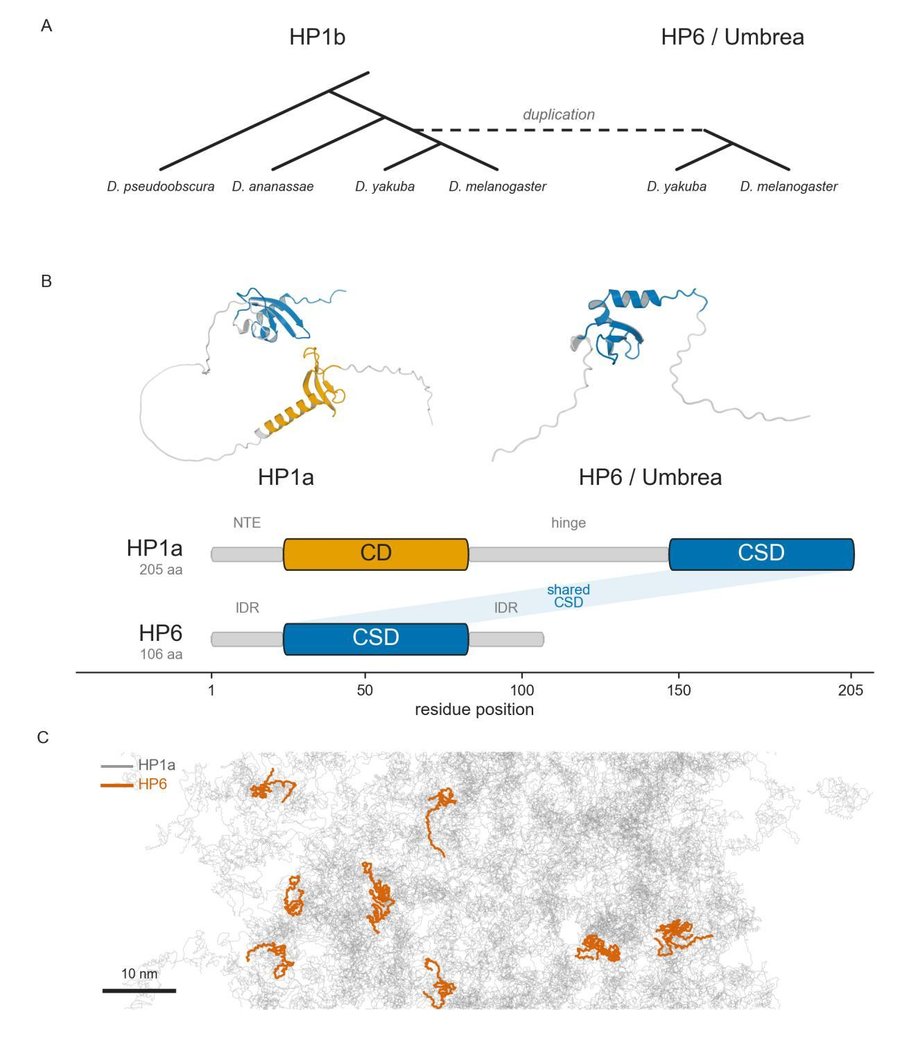
HP6/Umbrea is a fast-evolving Drosophila HP1 paralog that binds HP1a but cannot bind chromatin on its own. MD simulations show that HP6/Umbrea lowers dense-phase density inside HP1a condensates without shifting the phase-separation threshold, potentially operating as a "plasticizer" that may loosen heterochromatin and modulate silencing. Sequence analysis points to a recently evolved, constrained C-terminal tail underlying this role.

Naturally arising de novo open reading frames as potential zinc chelators in Drosophila melanogaster

UnJin Lee

bioRxiv (2026) preprint

transcriptional noisemetalloproteinsmicrosatellitesde novo gene origination
chelation
Naturally arising de novo open reading frames as potential zinc chelators in Drosophila melanogaster

UnJin Lee

bioRxiv (2026)

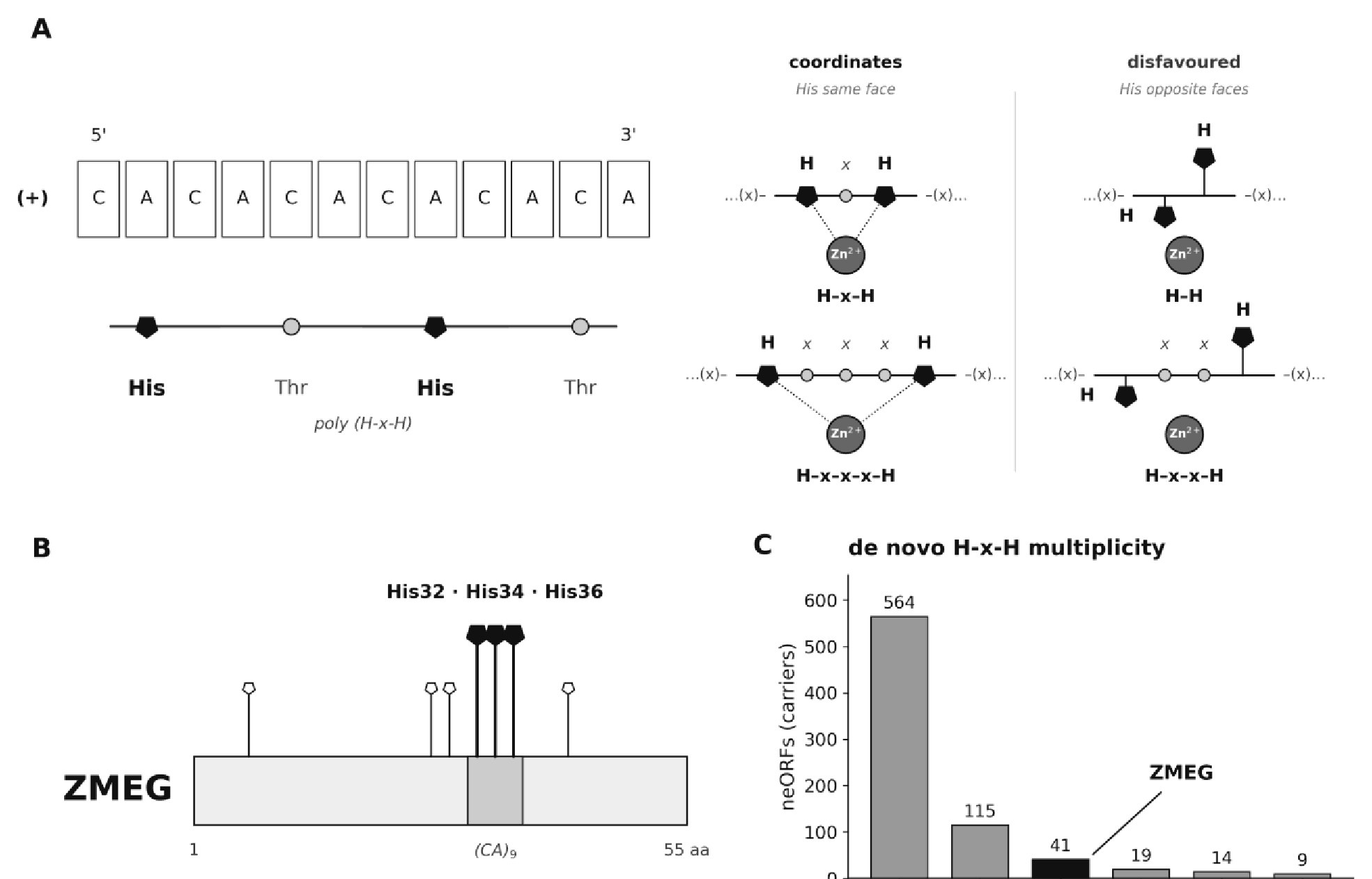
Can brand-new (de novo) genes gain function without evolving complex binding partners? I show that thousands of segregating Drosophila de novo ORFs are enriched for bis-histidine (H-x-H) zinc-coordinating motifs, made when (CA) microsatellites translate into His-Thr-His repeats. Tracing ZMEG, a candidate zinc-binding ORF, from ancestral non-coding sequence, I argue that repeat expansion supplies a distributed class of candidate metal-binding peptides.

Machine learning for evolutionary genetics and molecular evolution

Nicolas Svetec, UnJin Lee, Li Zhao

Trends in Genetics (2026)

machine learningdeep learningmolecular evolutionevolutionary genetics
Machine learning for evolutionary genetics and molecular evolution

Nicolas Svetec, UnJin Lee, Li Zhao

Trends in Genetics (2026)

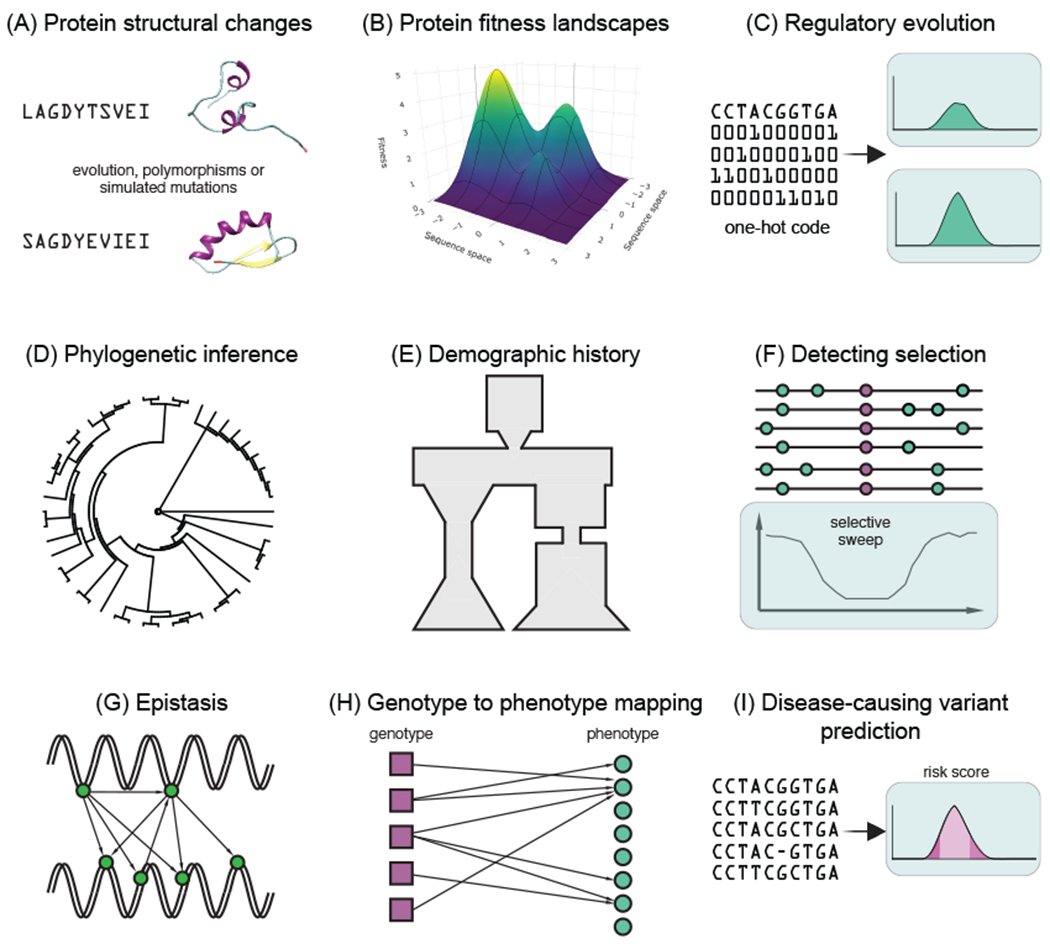
Machine learning, and deep learning in particular, is beginning to reshape evolutionary genetics and molecular evolution. This review surveys where ML now connects genotype, phenotype, and evolutionary history, from raw genetic variation to causal and multiomic approaches, and the challenges that remain.

Korean Natural Farming practices are dominated by a limited number of microbes and decrease fungal diversity

Candace Thompson, Shawn Mozeika, Elizabeth Paredes, UnJin Lee

Sustainable Microbiology (2026)

soil amendmentmetagenomic sequencingmicrobial dynamics
public outreach
Korean Natural Farming practices are dominated by a limited number of microbes and decrease fungal diversity

Candace Thompson, Shawn Mozeika, Elizabeth Paredes, UnJin Lee

Sustainable Microbiology (2026)

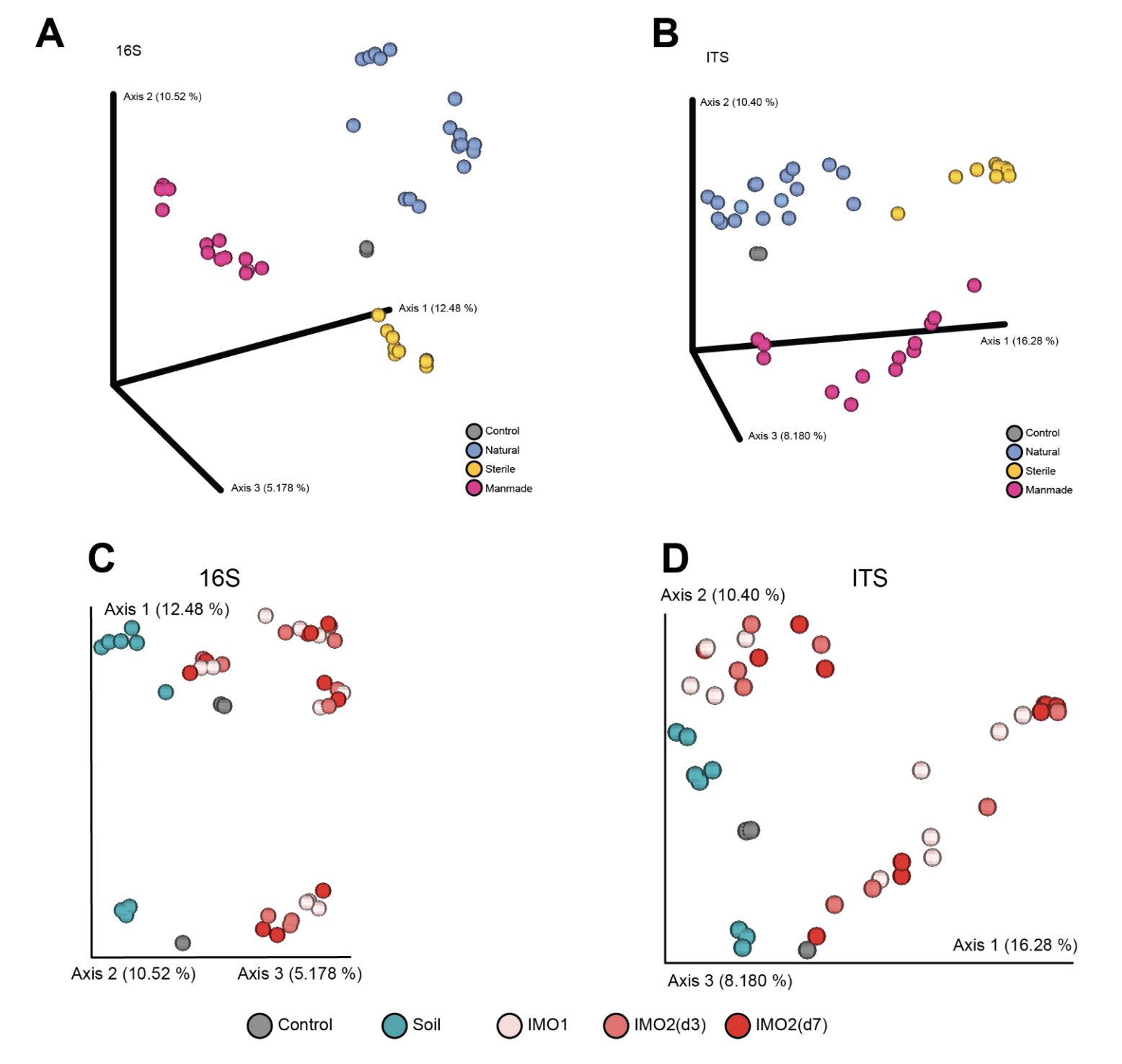
Korean Natural Farming claims to cultivate and transfer beneficial "indigenous microorganisms" to soils, but the practice lacks validation. Using 16S and ITS sequencing across successive cultivation stages, we find the process is dominated by a few bacterial and fungal taxa and consistently reduces fungal diversity, contrary to its claimed benefit, though early cultures can capture and sustain bacterial diversity.

Comparative single-cell analysis of transcriptional bursting reveals the role of genome organization in de novo transcript origination

UnJin Lee, Cong Li, Christopher B. Langer, Nicolas Svetec, Li Zhao

Proc. Natl. Acad. Sci. USA (2025)

single-cell transcriptomicsgenome organizationstatistical methodstranscriptional bursting
cultivator
Comparative single-cell analysis of transcriptional bursting reveals the role of genome organization in de novo transcript origination

UnJin Lee, Cong Li, Christopher B. Langer, Nicolas Svetec, Li Zhao

Proc. Natl. Acad. Sci. USA (2025)

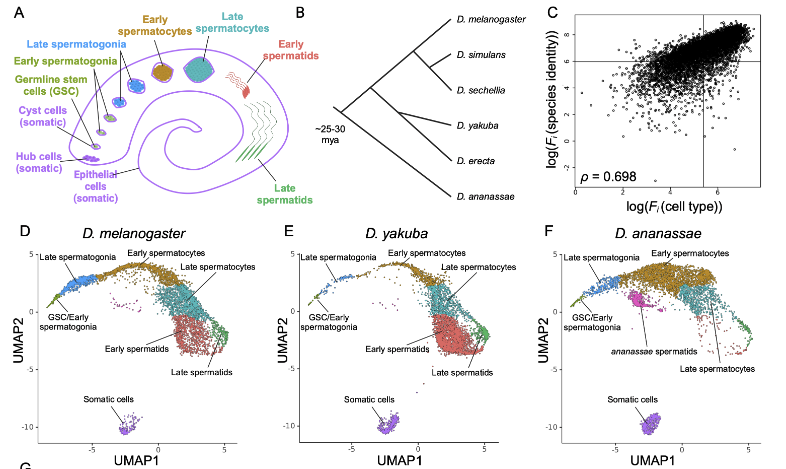
Comparing single-cell transcriptomes across three Drosophila species, we identify a core 198-gene set that robustly labels spermatogenic cell types across 25-30 My of divergence. Using it, we show how transcriptional bursting evolves through spermatogenesis, including conserved reductions in X-linked bursting, providing support for the cultivator model in which newly evolved testis transcripts locally tune neighboring genes' bursting.

The three-dimensional genome drives the evolution of asymmetric gene duplicates via enhancer capture-divergence

UnJin Lee†*, Deanna Arsala*, Shengqian Xia*, Cong Li, Mujahid Ali, Nicolas Svetec, Christopher B. Langer, Débora R. Sobreira, Ittai Eres, Dylan Sosa, Jianhai Chen, Li Zhang, Patrick Reilly, Alexander Guzzetta, J.J. Emerson, Peter Andolfatto, Qi Zhou, Li Zhao, Manyuan Long†

Science Advances (2024)

Hi-CRNAigenome organizationgene regulation
enhancer capture
The three-dimensional genome drives the evolution of asymmetric gene duplicates via enhancer capture-divergence

UnJin Lee†*, Deanna Arsala*, Shengqian Xia*, Cong Li, Mujahid Ali, Nicolas Svetec, Christopher B. Langer, Débora R. Sobreira, Ittai Eres, Dylan Sosa, Jianhai Chen, Li Zhang, Patrick Reilly, Alexander Guzzetta, J.J. Emerson, Peter Andolfatto, Qi Zhou, Li Zhao, Manyuan Long†

Science Advances (2024)

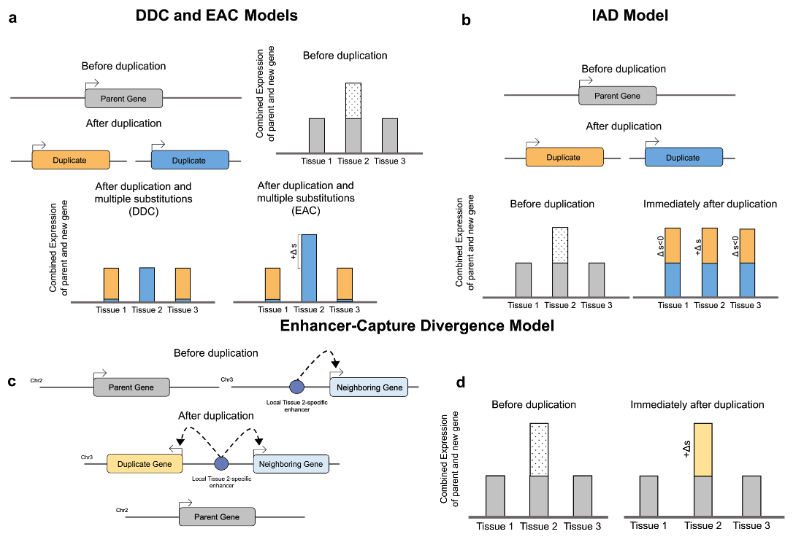
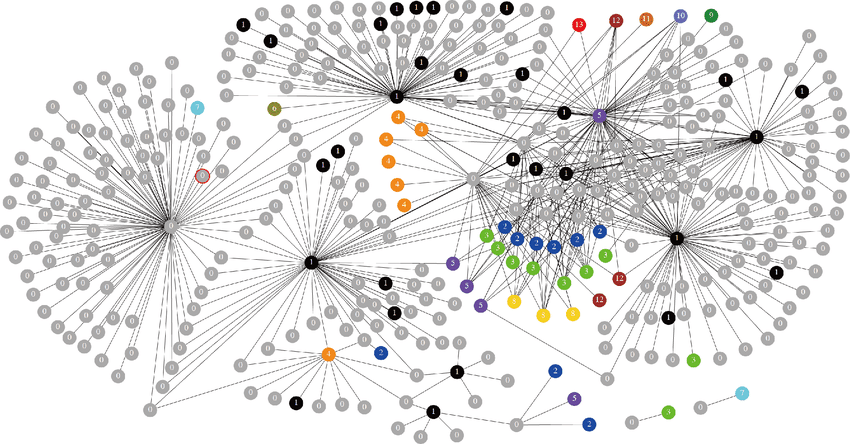
Duplicate-gene models have largely ignored genome architecture. We show distally duplicated genes can be regulated by co-opting pre-existing 3D contacts ("enhancer capture"), using the young gene HP6/Umbrea as a case study. It captured a hidden enhancer (FLEE1) inside the essential gene MFS18, highlighting how enhancer capture is a one-step, evolvable solution to Ohno's dilemma.

A Synergistic, Cultivator Model of De Novo Gene Origination

UnJin Lee, Shawn M. Mozeika, Li Zhao

Genome Biol. Evol. (2024)

evolvabilitynon-coding RNAde novo originationevolutionary theory
cultivator
A Synergistic, Cultivator Model of De Novo Gene Origination

UnJin Lee, Shawn M. Mozeika, Li Zhao

Genome Biol. Evol. (2024)

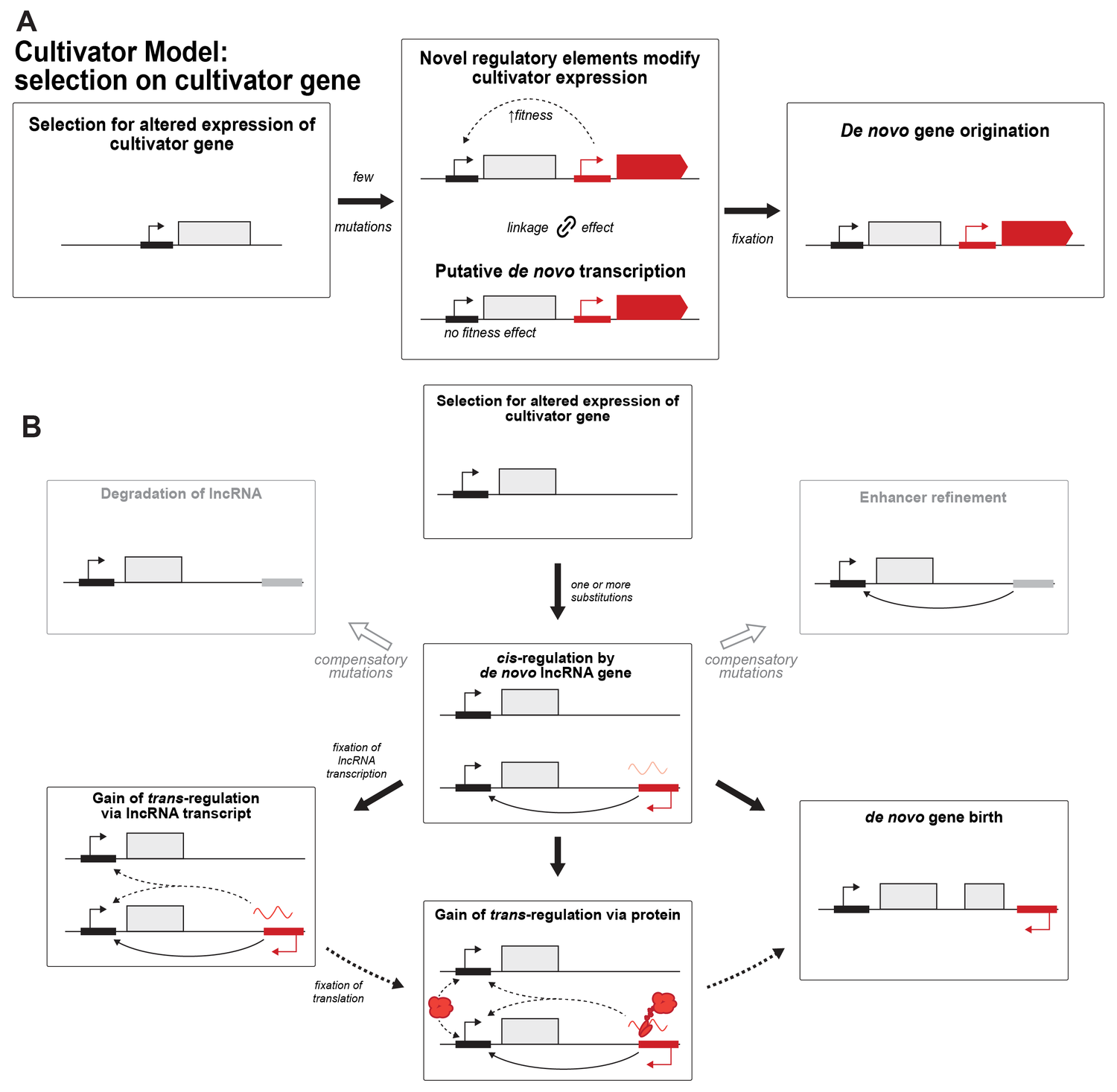
How do genes arising de novo from non-coding DNA fix and gain function, especially in large populations where drift is weak? We propose a regulation-focused "cultivator" model in which each step in a de novo gene's trajectory is driven by selectable benefits to neighboring cultivator genes rather than the new gene itself, placing genome organization at the center of new-gene evolution.

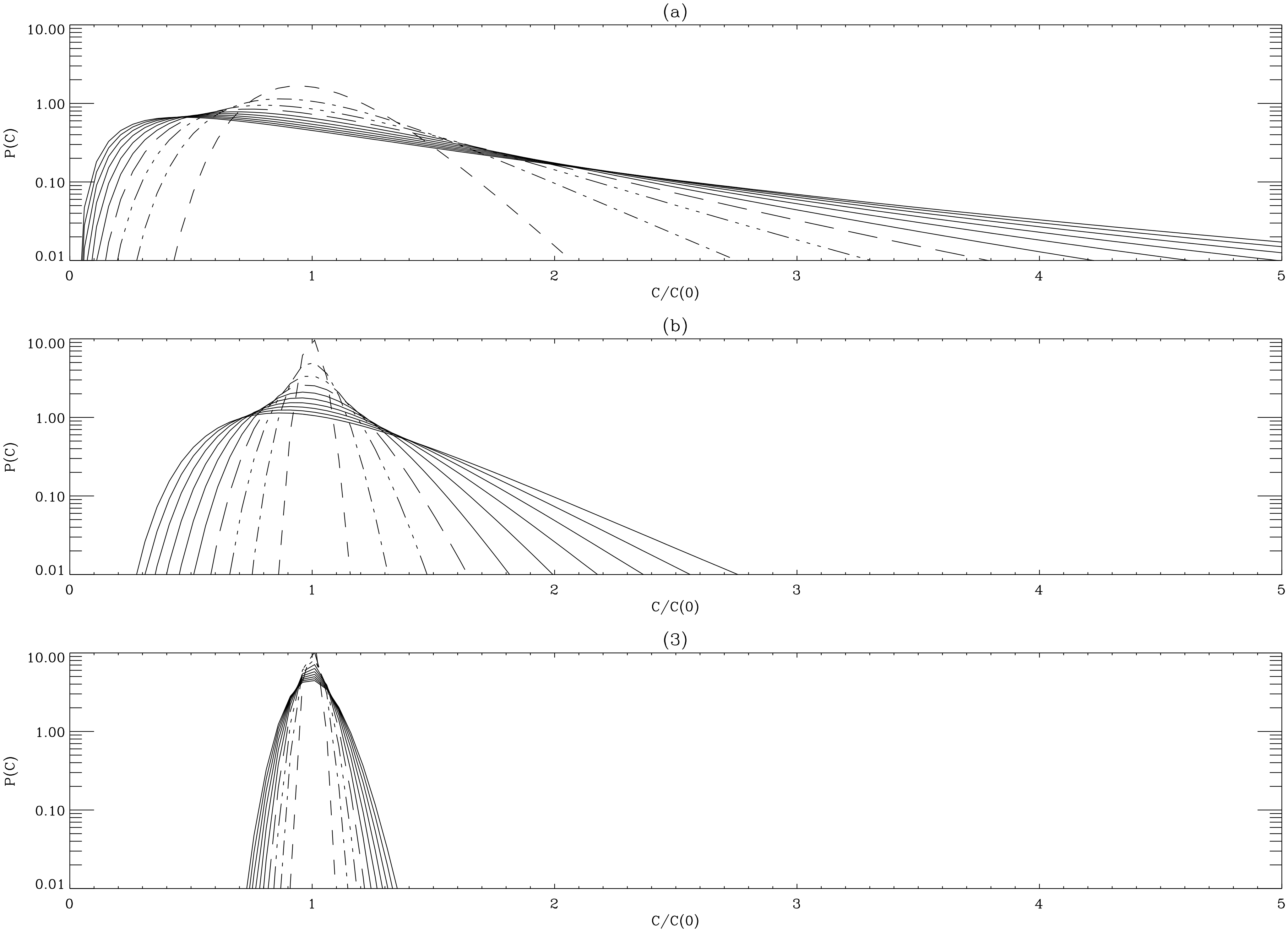
Evolution and maintenance of phenotypic plasticity

UnJin Lee†, Emily N. Mortola, Eun-jin Kim, Manyuan Long

BioSystems (2022)

phenotypic plasticitystochastic differential equationsevolutionary theory
plasticity
Evolution and maintenance of phenotypic plasticity

UnJin Lee†, Emily N. Mortola, Eun-jin Kim, Manyuan Long

BioSystems (2022)

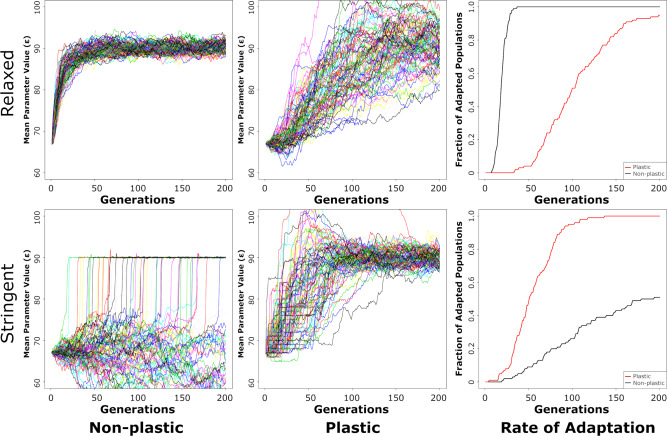
We introduce a stochastic framework combining genetic and epigenetic contributions to phenotype to ask when plasticity evolves. Plasticity is favored transiently while adapting to new environments and erodes (canalizes) in stable ones, with selection choosing genic versus plastic routes by relative mutation rates, highlighting genetic conflict as a determinant of the long-term maintenance of phenotypic plasticity.

Genomic analyses of new genes and their phenotypic effects reveal rapid evolution of essential functions in Drosophila development

Shengqian Xia, Nicholas W. VanKuren, Chunyan Chen, Li Zhang, Claus Kemkemer, Yi Shao, Hangxing Jia, UnJin Lee, Alexander S. Advani, Andrea Gschwend, Maria D. Vibranovski, Sidi Chen, Yong E. Zhang, Manyuan Long

PLOS Genetics (2021)

new genesgene essentialityDrosophila developmentRNAi knockdown
new genes
Genomic analyses of new genes and their phenotypic effects reveal rapid evolution of essential functions in Drosophila development

Shengqian Xia, Nicholas W. VanKuren, Chunyan Chen, Li Zhang, Claus Kemkemer, Yi Shao, Hangxing Jia, UnJin Lee, Alexander S. Advani, Andrea Gschwend, Maria D. Vibranovski, Sidi Chen, Yong E. Zhang, Manyuan Long

PLOS Genetics (2021)

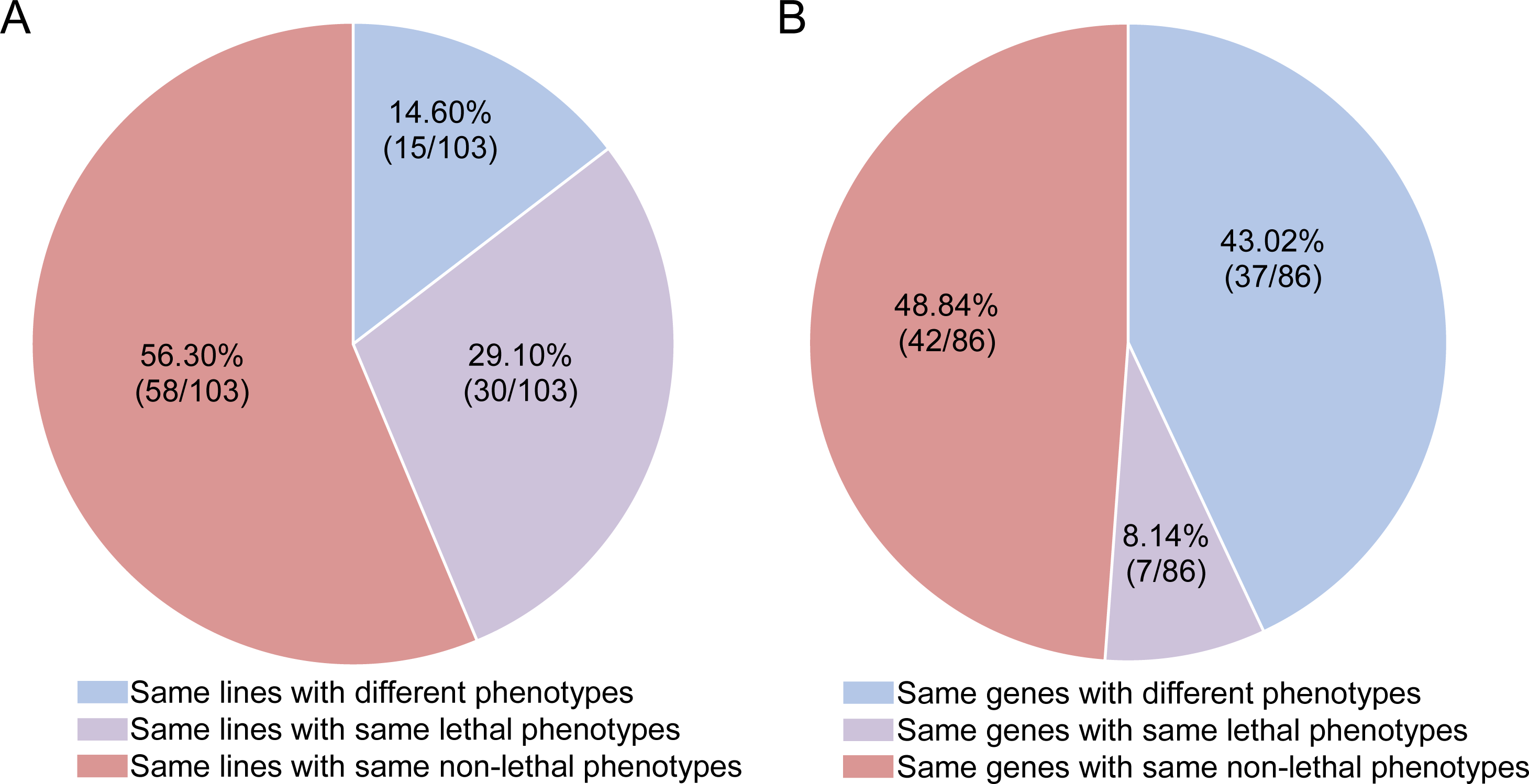
Are recently evolved genes dispensable? Knocking down 11,354 Drosophila genes, including 702 young ones (< 40 My), we find a similarly high proportion (~32%) essential among new and old alike, highlighting how new genes rapidly evolve essential developmental functions.

Topological evolution of coexpression networks by new gene integration maintains the hierarchical and modular structures in human ancestors

Jian Zu, Yuexi Gu, Yu Li, Chentong Li, Wenyu Zhang, Yong E. Zhang, UnJin Lee, Li Zhang, Manyuan Long

Science China Life Sciences (2019)

gene coexpression networksnetwork evolutionnew gene integrationsystems biology
Topological evolution of coexpression networks by new gene integration maintains the hierarchical and modular structures in human ancestors

Jian Zu, Yuexi Gu, Yu Li, Chentong Li, Wenyu Zhang, Yong E. Zhang, UnJin Lee, Li Zhang, Manyuan Long

Science China Life Sciences (2019)

We analyze how integrating newly evolved genes reshapes human gene coexpression networks. Younger genes are more clustered and increasingly hierarchical, gaining connections through a "rich-gets-richer" process driven by duplication and orphan-gene origination. Despite continual new-gene integration, the network preserves its hierarchical, modular structure over evolutionary time.

The cyanobacterial circadian clock follows midday in vivo and in vitro

Eugene Leypunskiy, Jenny Lin, Haneul Yoo, UnJin Lee, Aaron R. Dinner, Michael J. Rust

eLife (2017)

circadian clockcyanobacteriaentrainment
circadian rhythm
The cyanobacterial circadian clock follows midday in vivo and in vitro

Eugene Leypunskiy, Jenny Lin, Haneul Yoo, UnJin Lee, Aaron R. Dinner, Michael J. Rust

eLife (2017)

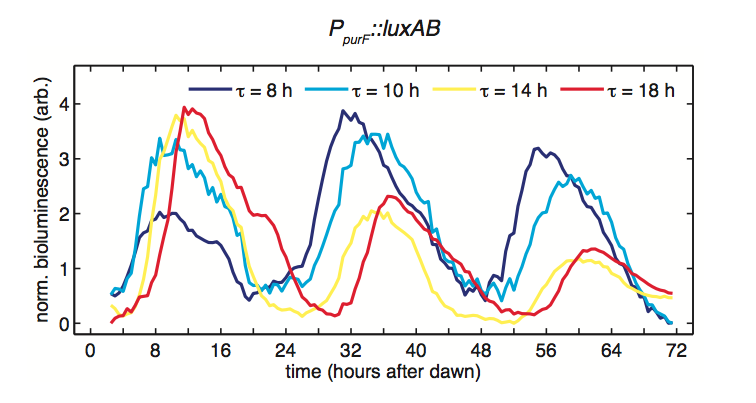
How do circadian clocks lock onto daily cycles whose length changes with the seasons? Driving the cyanobacterial clock in vivo and in vitro, we find its phase follows a simple scaling law that tracks midday, intrinsic to the minimal KaiABC protein system. This framework based on cue-driven phase shifts can thus predict clock behavior across many environments.

Geometric structure and geodesic in a solvable model of nonequilibrium process

Eun-jin Kim, UnJin Lee, James Heseltine, Rainer Hollerbach

Phys. Rev. E (2016)

nonequilibrium statistical mechanicsinformation geometrystochastic processes
plasticity
Geometric structure and geodesic in a solvable model of nonequilibrium process

Eun-jin Kim, UnJin Lee, James Heseltine, Rainer Hollerbach

Phys. Rev. E (2016)

Using an exactly solvable driven-dissipative model, we study nonequilibrium dynamics via information length. We find geodesics along which information moves at constant speed, giving optimal paths that minimize time and dissipated energy, and show small periodic modulations can control a stochastic growth model.

Prognostic and predictive breast cancer signature

Marsha Rosner, Miao Sun, UnJin Lee

US Patent Application (2016) patent

breast cancer prognosisgene expression signatureprognostic biomarkers
ML/AI
Prognostic and predictive breast cancer signature

Marsha Rosner, Miao Sun, UnJin Lee

US Patent Application (2016)

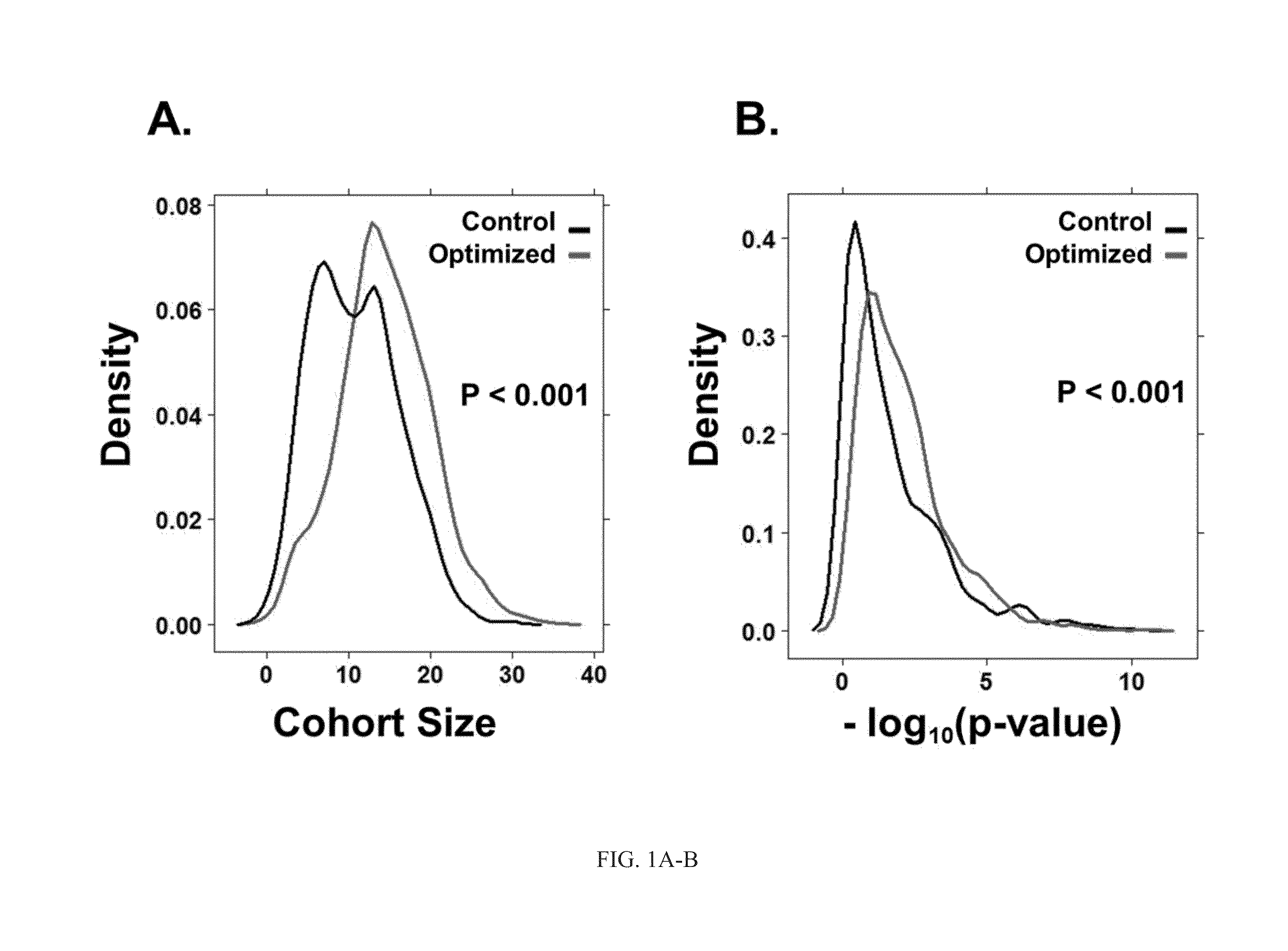
Methods for determining breast-cancer prognosis from a defined set of genes, computing a prognosis score via a specific algorithm. Also covers related compositions, kits, and treatment approaches for the most aggressive breast cancers.

Noise-Driven Phenotypic Heterogeneity with Finite Correlation Time in Clonal Populations

UnJin Lee†, John J. Skinner, John Reinitz, Marsha Rich Rosner, Eun-jin Kim†

PLOS ONE (2015)

phenotypic plasticitystochastic differential equationsevolution of treatment resistance
plasticity
Noise-Driven Phenotypic Heterogeneity with Finite Correlation Time in Clonal Populations

UnJin Lee†, John J. Skinner, John Reinitz, Marsha Rich Rosner, Eun-jin Kim†

PLOS ONE (2015)

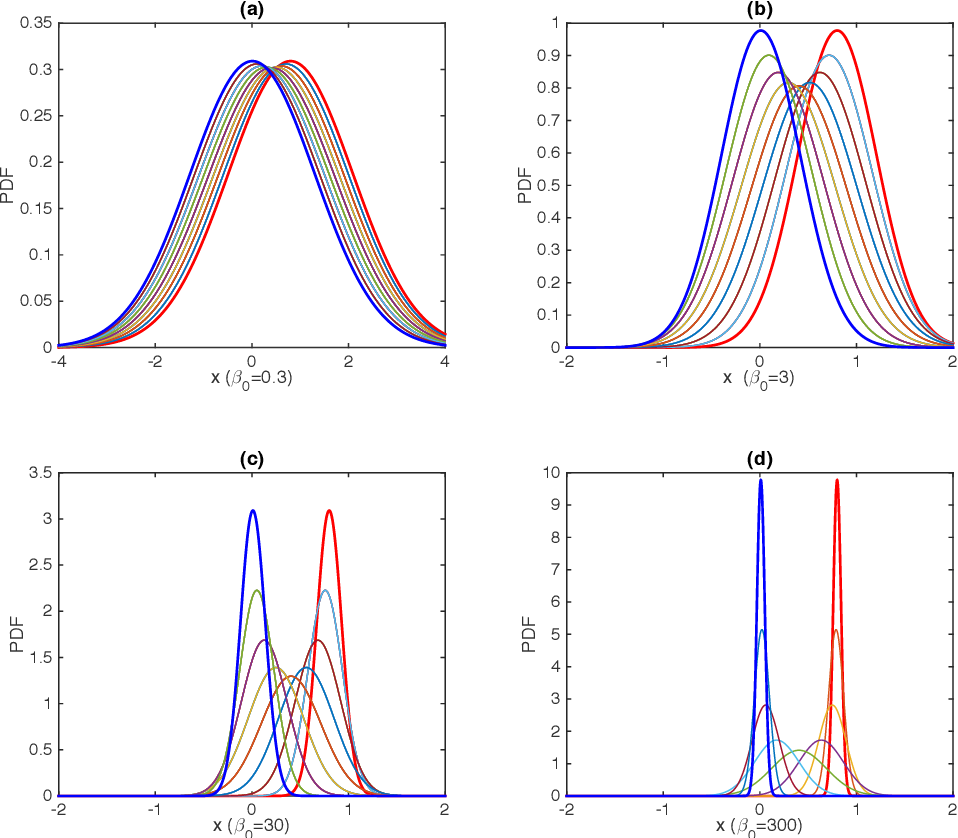
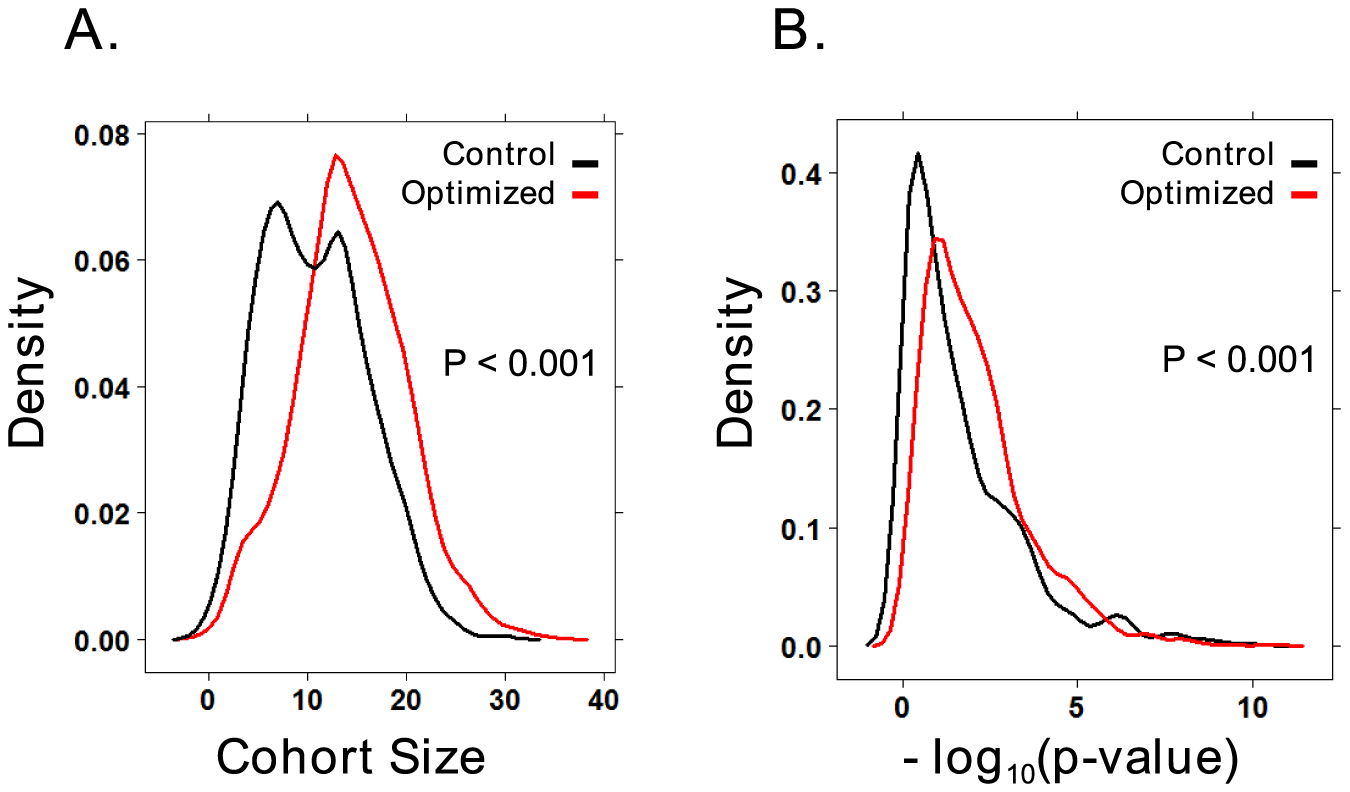
Genetically identical clonal cells can still diverge phenotypically, with consequences from bet-hedging to drug resistance. Using stochastic models with finite correlation time, we show how noisy growth and loss of self-regulation shift populations from bounded to unbounded growth, and how variance, not just the mean, shapes phenotype.

A Prognostic Gene Signature for Metastasis-Free Survival of Triple Negative Breast Cancer Patients

UnJin Lee*, Casey Frankenberger*, Jieun Yun, Elena Bevilacqua, Carlos Caldas, Suet-Feung Chin, Oscar M. Rueda, John Reinitz, Marsha Rich Rosner

PLOS ONE (2013)

machine learningtriple-negative breast cancerpatient prognosissurvival analysis
ML/AI
A Prognostic Gene Signature for Metastasis-Free Survival of Triple Negative Breast Cancer Patients

UnJin Lee*, Casey Frankenberger*, Jieun Yun, Elena Bevilacqua, Carlos Caldas, Suet-Feung Chin, Oscar M. Rueda, John Reinitz, Marsha Rich Rosner

PLOS ONE (2013)

Triple-negative breast cancers are aggressive, lack targeted therapies, and are hard to stratify. We built a 30-gene BACH1 Pathway Metastasis Signature (BPMS) that selectively predicts metastasis-free survival in basal-like/TNBC patients and refines risk beyond existing clinical tests. It works as a single-sample predictor and nominates BACH1-pathway genes as therapeutic targets.

Achievements

Awards & Honors
  • Black Family Therapeutic Development Fund Proof-of-Concept AwardCo-PI ($75,000), 2026
  • NSF Postdoctoral Research Fellowship in BiologyPI ($240,000), 2024–2027
  • Best Presentation Award, SMBE Satellite Meeting on De Novo Genes, 2023
  • SMBE Satellite Meeting on De Novo Genes Travel Award, 2023
  • Ridgeway Endowment Support, 2017–2021
  • Hinds Evolutionary Biology Graduate Student Research Award, 2017
  • NSF Graduate Research Fellowship Program Honorable Mention, 2016
  • NIH T32 Gene Regulation Training Grant Recipient, 2015–2017
  • NSF Research Experiences for Undergraduates, Chicago Center for Systems Biology, 2011
  • Odyssey Scholarship Recipient, University of Chicago, 2008–2013
Service Activities
Professional
  • Rockefeller University Sustainability Committee, Laboratory Representative, 2023–
  • Rockefeller University Postdoctoral Association Board Member, 2023–2024
  • Rockefeller Inclusive Science Initiative Executive Board Member (Mental Health & Accessibility Coordinator, 2023–), 2022–
  • BSD Equipment Library Committee, Founder, 2017–2018
  • BSD Travel Award Committee (Member; Chair 2018–2019), 2017–2019
  • Dean's Council Representative, 2014–2019
  • Program Representative (GGSB), 2014–2016
Outreach
  • RockEDU SSRP Mentor, Summer 2023
  • Genspace FIT Scholar Program Mentor, Spring 2023
  • E.E. Just Portrait Commission, 2017–2019
  • Co-Host, Groks Science Radio Hour, WHPK 88.5FM, 2016–2018
  • Genetics Science Connections at the Museum of Science and Industry, 2015–2016
Experimental Techniques, Expertise
  • Single Cell RNA Sequencing
  • Spatial-omics
  • Stochastic Differential Equations
  • Applied Numerical Optimization
  • Monte Carlo Methods
  • Gene Expression Analysis
  • Survival Analysis
  • Statistical Modeling
  • Chromosomal Confirmation Capture (4C)
  • Enhancer-Reporter Assays
  • Phylogenetic Analysis
  • Cloning
Presentations
  • Population, Evolutionary, and Quantitative Genetics Conference, Pacific Grove, CA(Poster), 2026
  • University of Oklahoma Health Sciences Center, Oklahoma City, OK(Invited Talk), 2025
  • 66th Annual Drosophila Research Conference, San Diego, CA(Invited Workshop Talk), 2025
  • NY Area Population Genetics Meeting, New York, NY(Selected Talk), 2024
  • SMBE Satellite Meeting on De Novo Genes, College Station, TX(Poster, Best Presentation Award), 2023
  • NY Area Population Genetics Meeting, New York, NY(Poster), 2022
  • Midwest Population Genetics Meeting, Chicago, IL(Selected Talk), 2019
  • Gordon Conference on Ecological and Evolutionary Genomics, Manchester, NH(Poster), 2019
  • Aspen Center for Physics: Evolution, Populations, and Physics, Aspen, CO(Poster), 2016
  • American Association of Cancer Researchers Annual Conference, Washington, DC(Poster), 2013
Software
Scientific Software
  • scHSQ (c.f. Lee, et al. 2024 R/S4)
  • sigsquared (c.f. Lee and Frankenberger et al 2013/R/S4)
  • Deterministic Runge Kutta Solvers (1st-4th order/C++)
  • Stochastic Runge Kutta Solvers (Honeycutt with Finite Correlation Time/C++)
  • Gillespie Stochastic Simulation Algorithm (First Reaction method/C++)
  • Genetic Algorithm (C++)
  • Downhill Simplex using LASSO (Java)
Languages
  • R (S3/S4)
  • MATLAB
  • C++
  • Java
  • bash
Peer Review
  • PLoS Computational Biology
  • PNAS
  • Genome Biology and Evolution
  • Journal of Evolutionary Biology
  • Journal of Molecular Evolution
  • Genome
  • Cancer Cell International (Springer)
  • National Science Foundation (ad hoc reviewer)